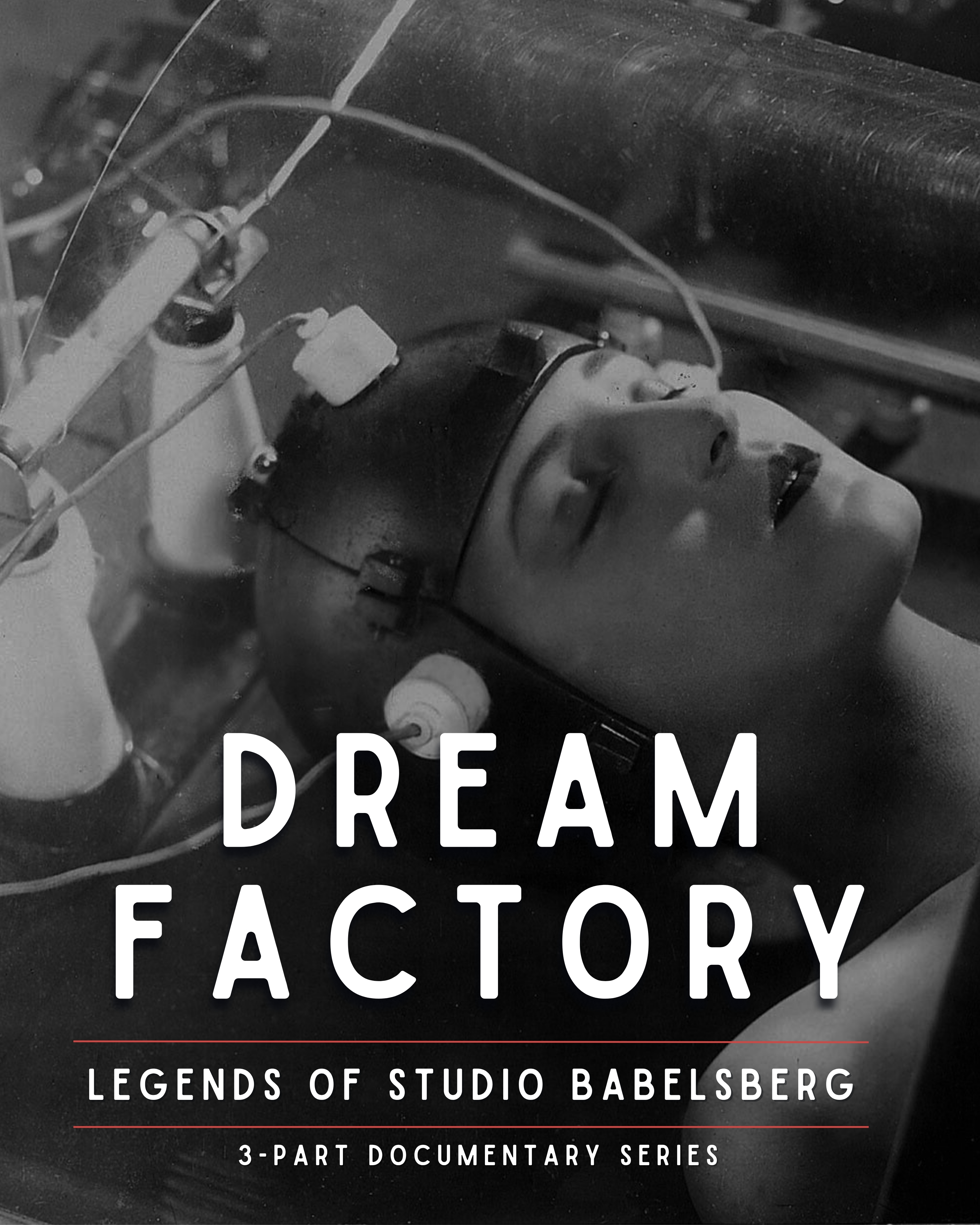
Dream Factory: Legends of Studio Babelsberg
FORMAT
Documentary Series
YEAR
2025
SERVICES
In Development, Script Writing
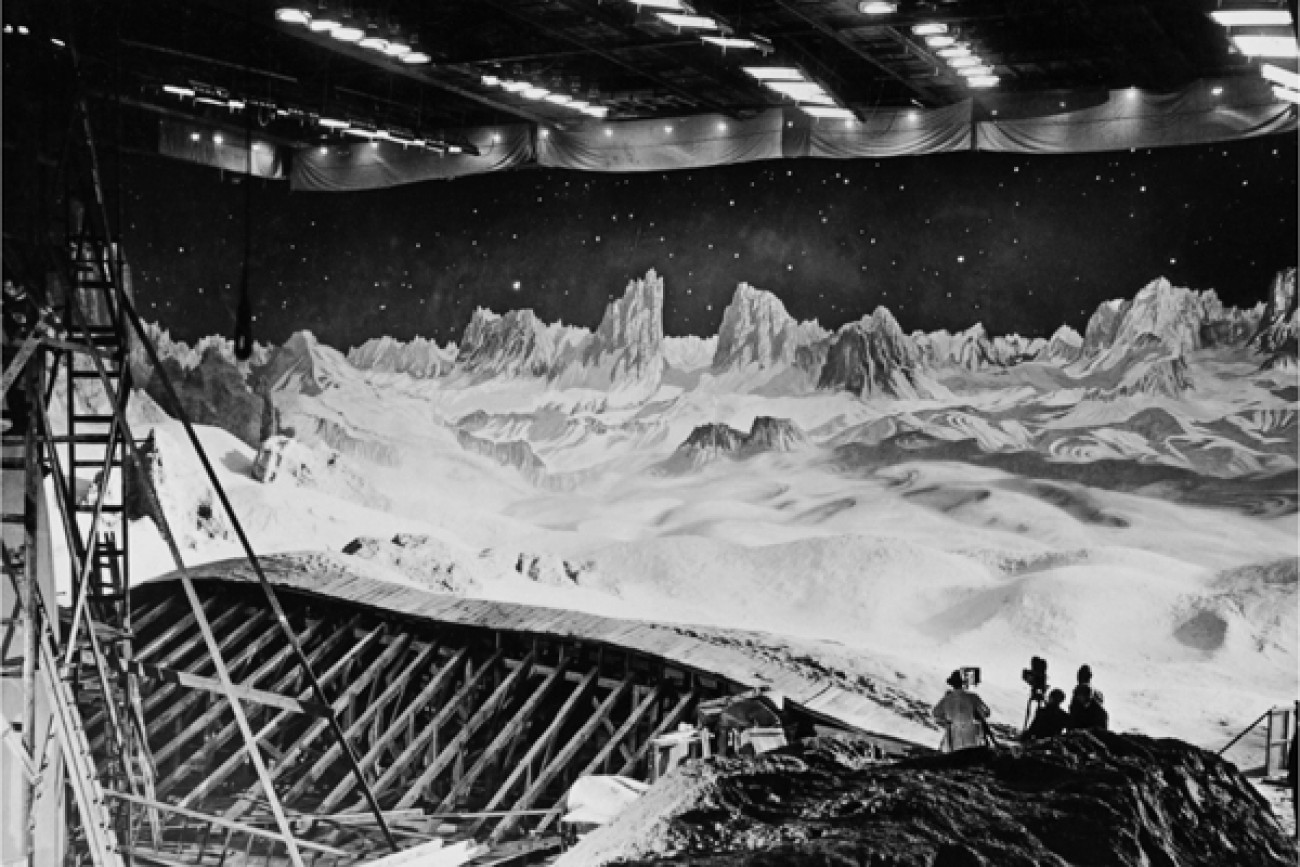
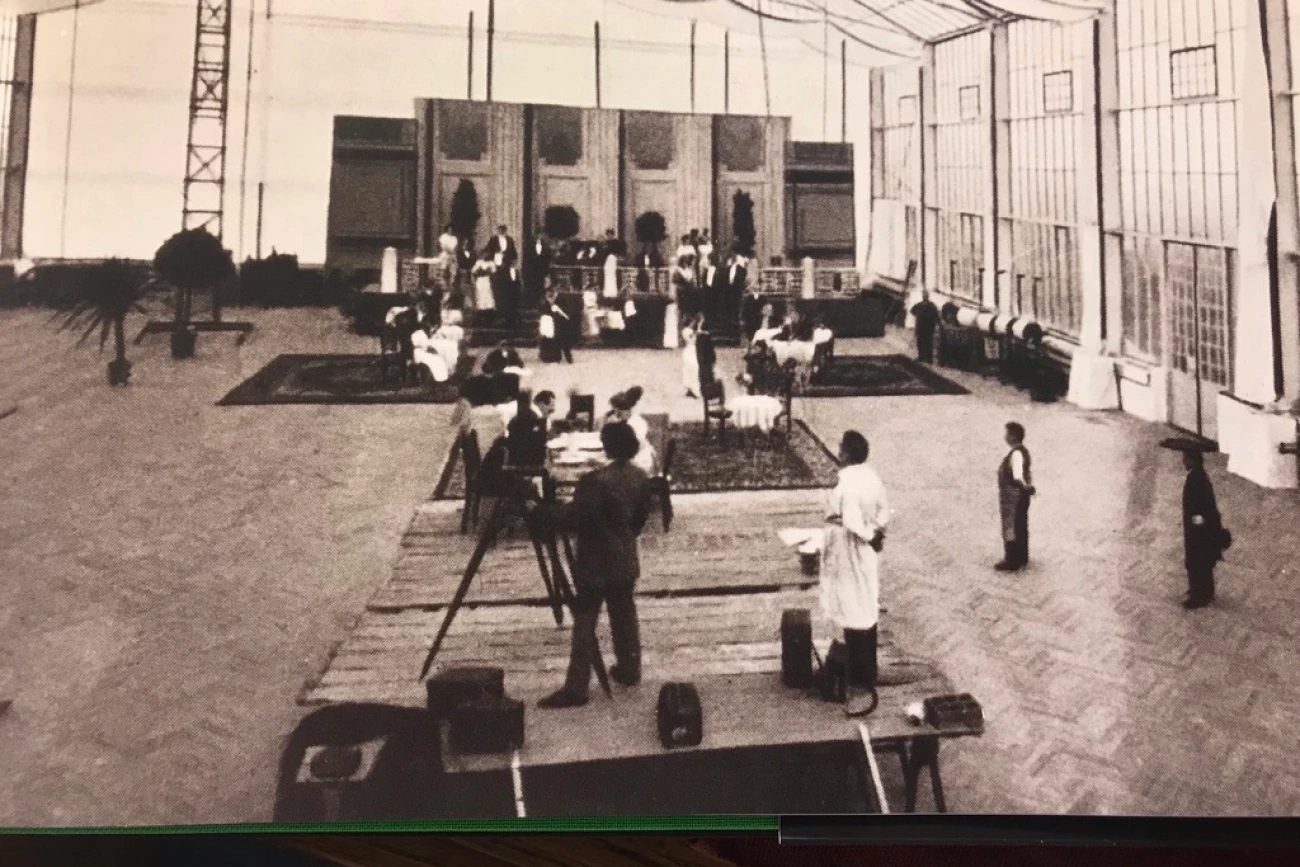
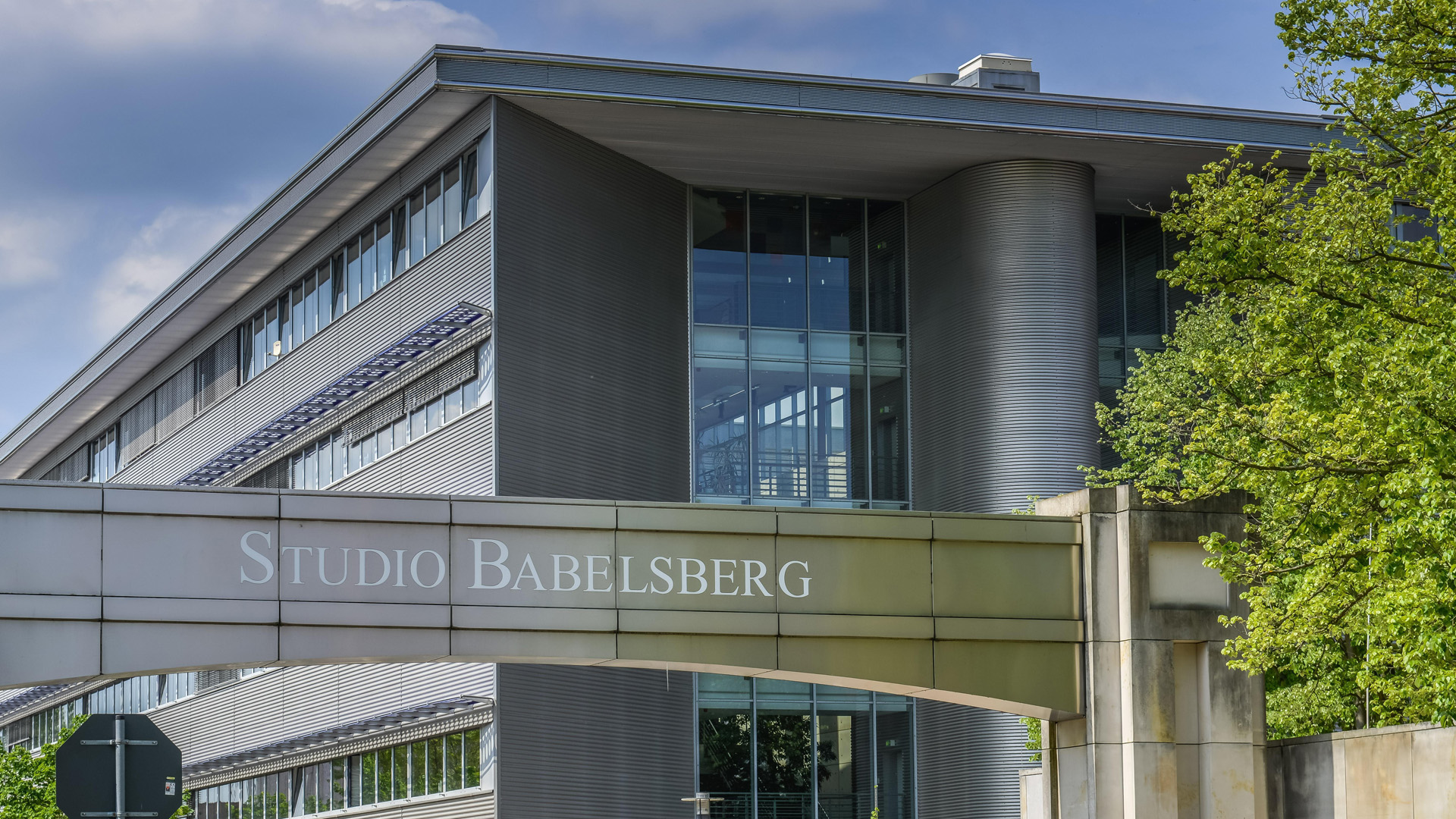
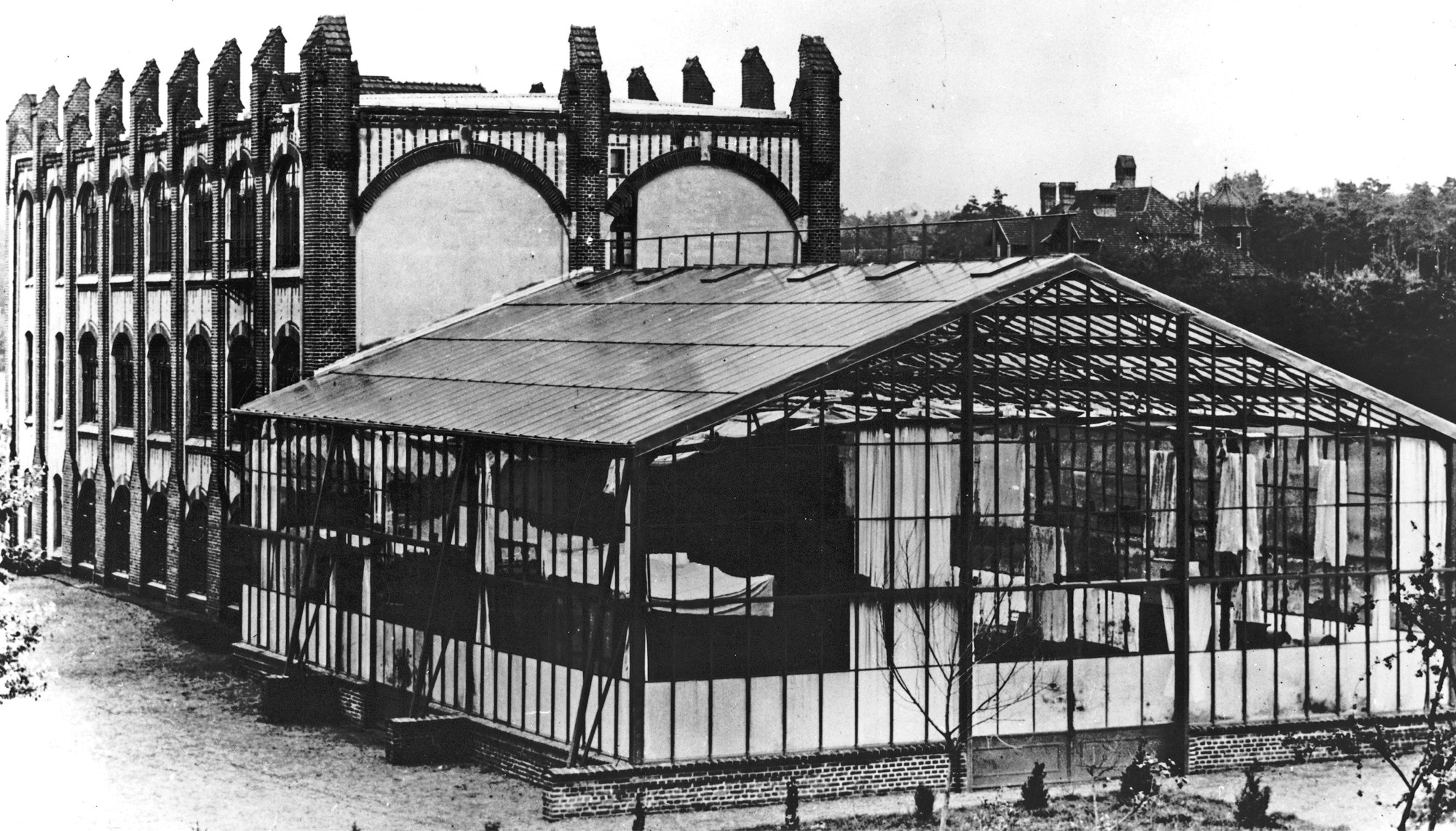
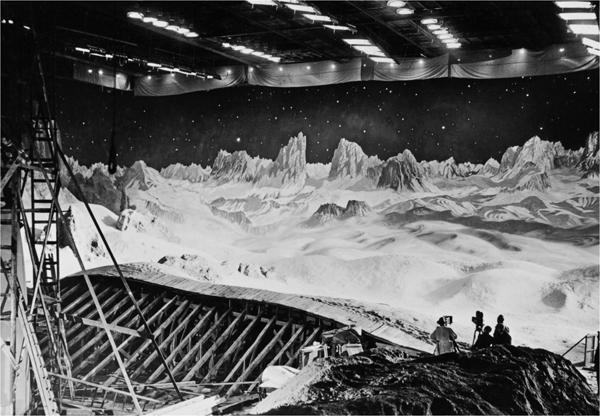
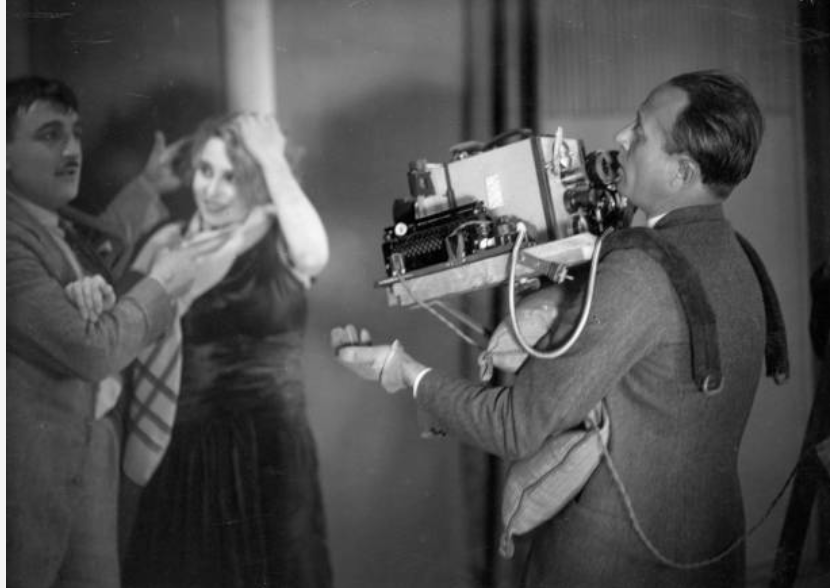
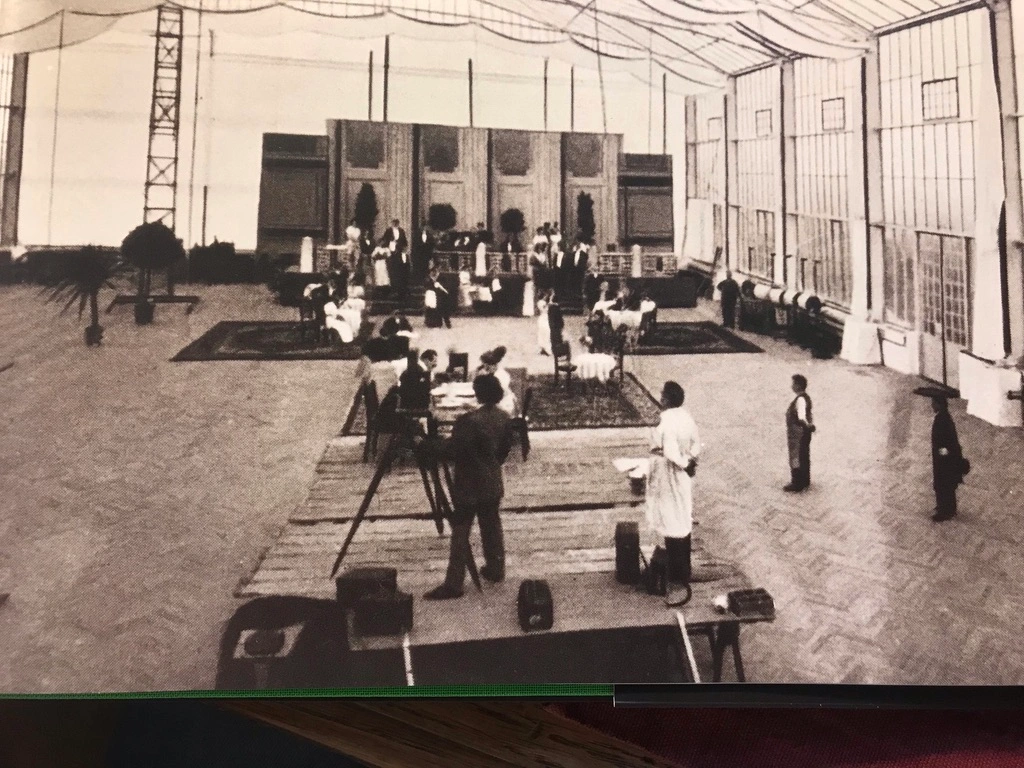
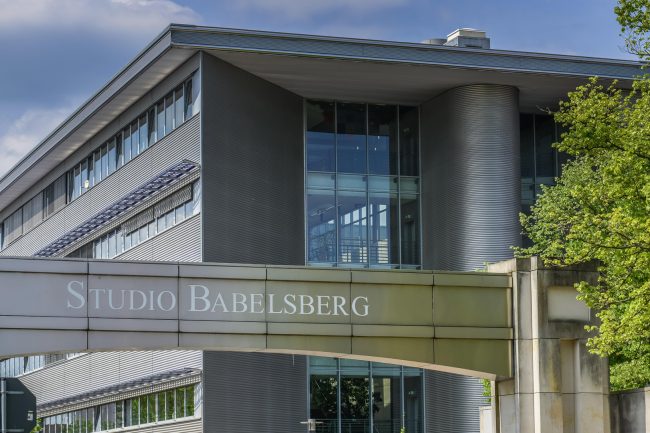
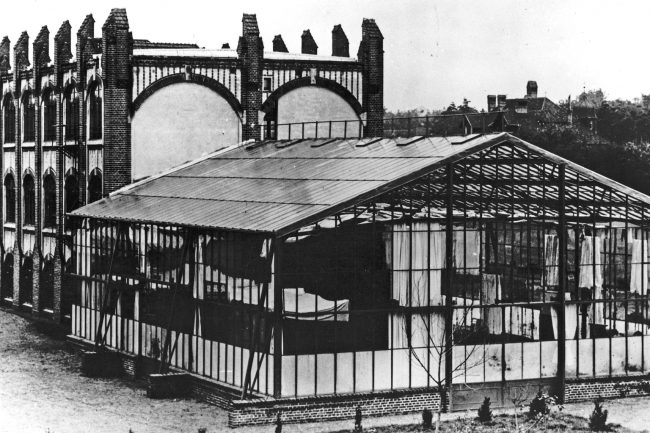
For over a century, the world’s oldest film studio has been a battleground and a playground, where filmmakers fought to create, to survive, and to defy the forces that sought to control them. Studio Babelsberg is not just a place where movies are made; it is where cinema itself was shaped, through five political regimes, wars, dictatorship, and revolution.
This three-part documentary is a gripping journey through over 100 years of Germany’s film history, re-told through the eyes of those who lived it.
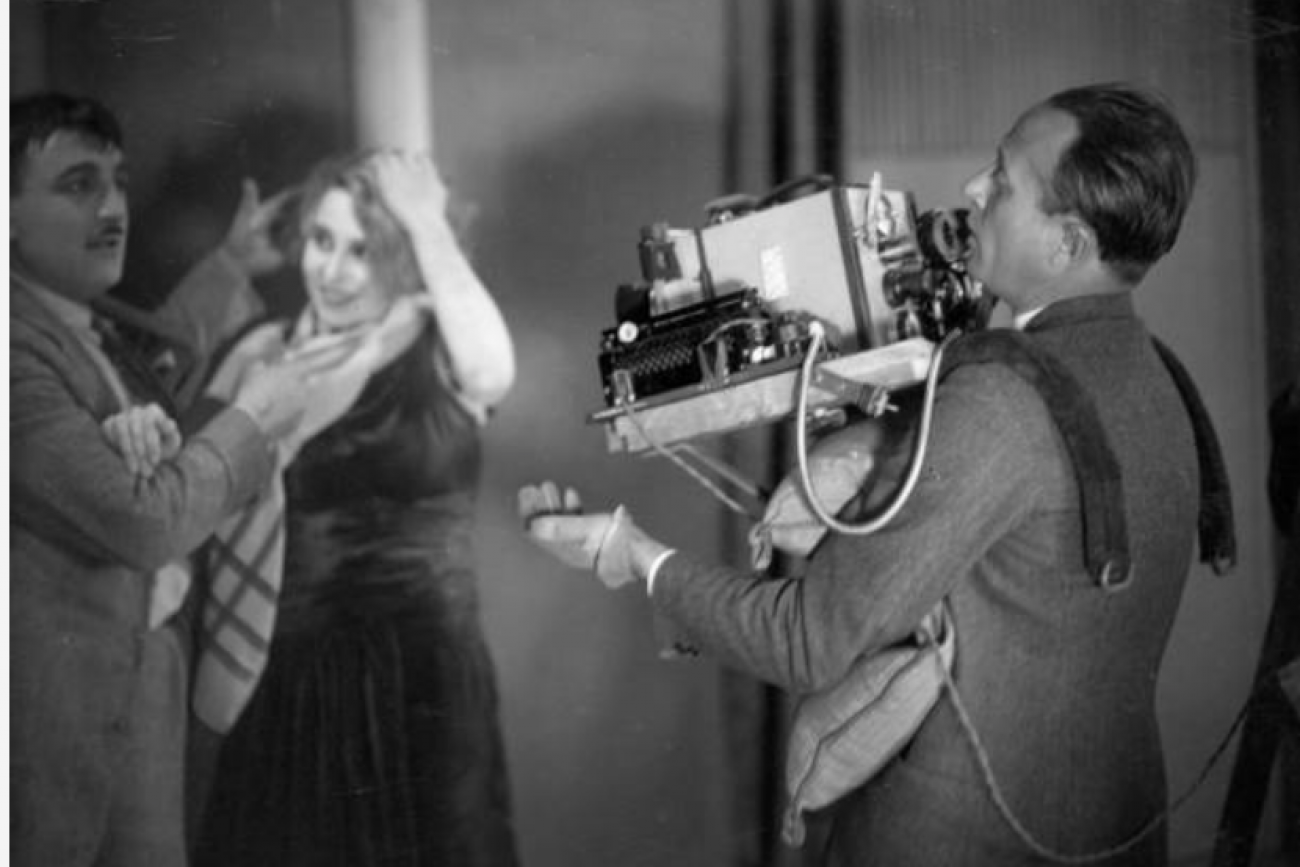
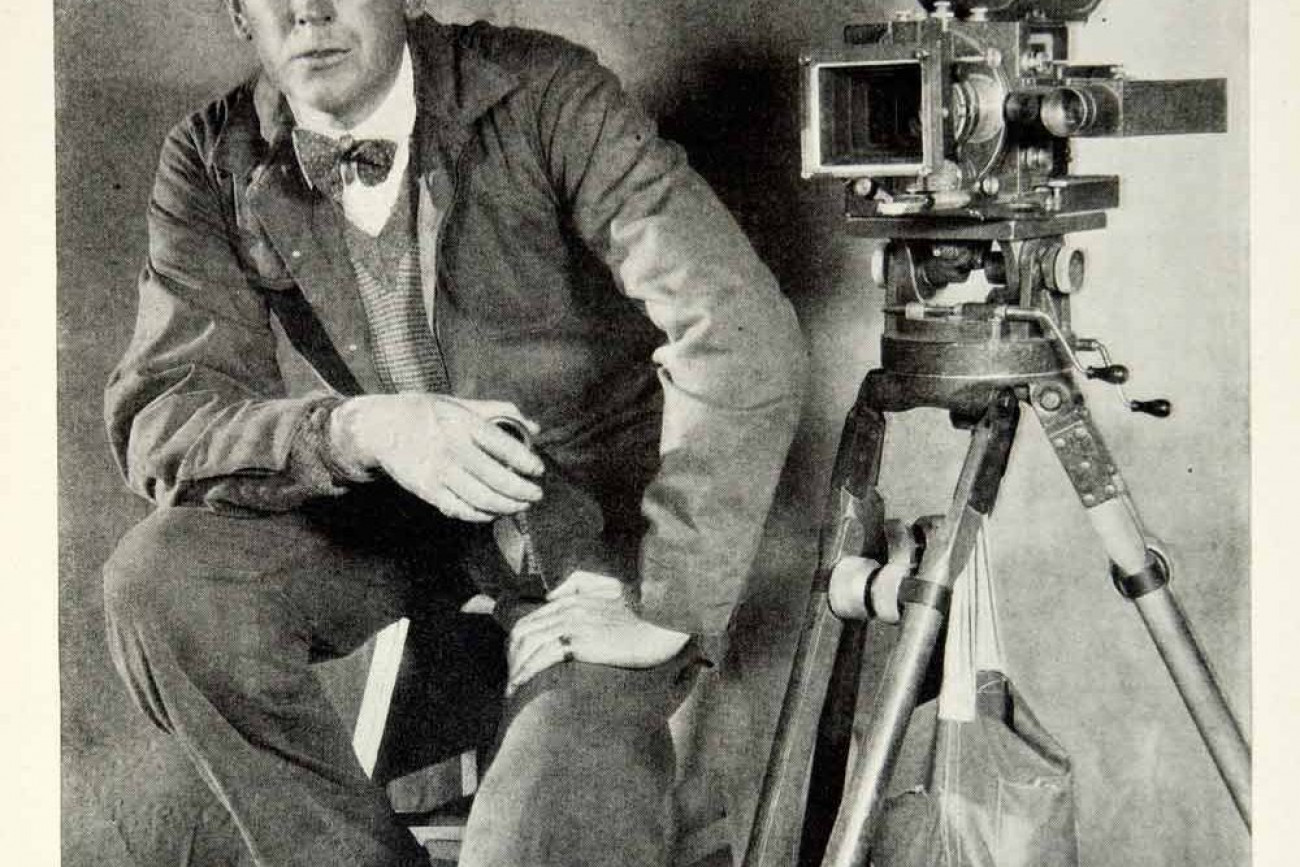
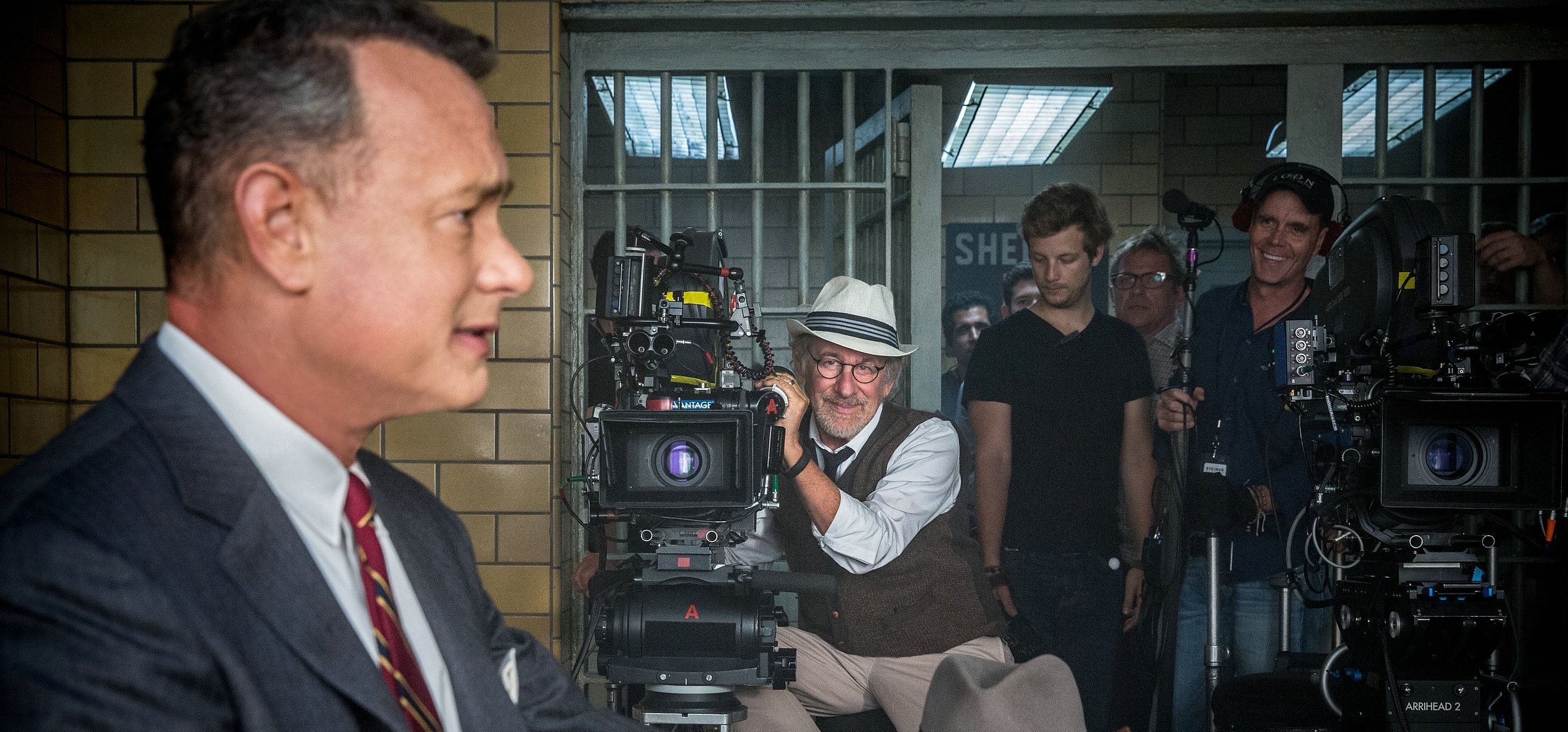
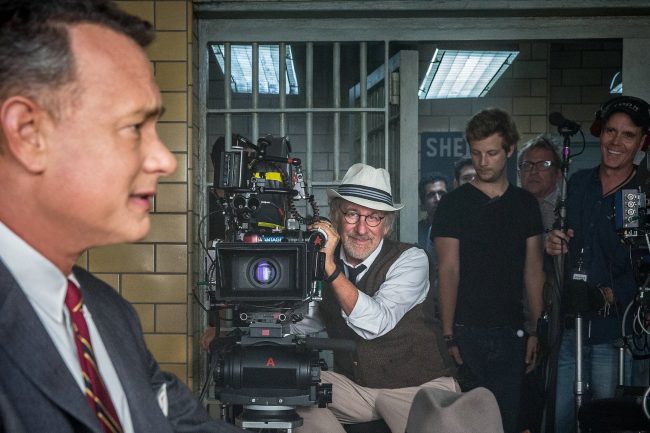
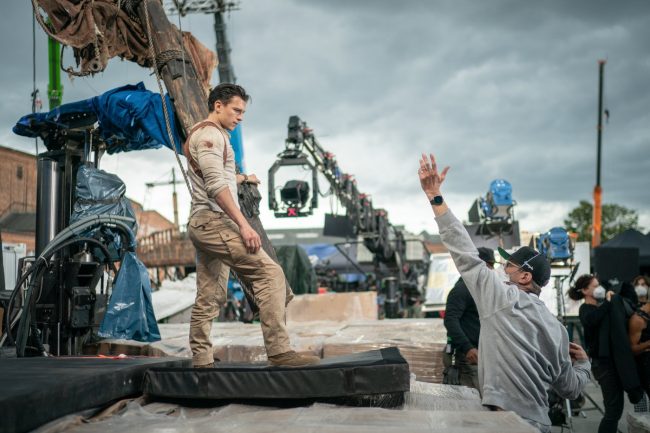
Featuring rare archival footage, dramatic reenactments, and exclusive interviews with filmmakers who worked here like Quentin Tarantino, Tom Tykwer, Volker Schlöndorff, Steven Spielberg, Wes Anderson, and more.
Dream Factory: Legends Studio Babelsberg reveals the untold stories of cinema’s greatest risk-takers, who amid crisis and against the odds, changed the art of cinema as we know it.
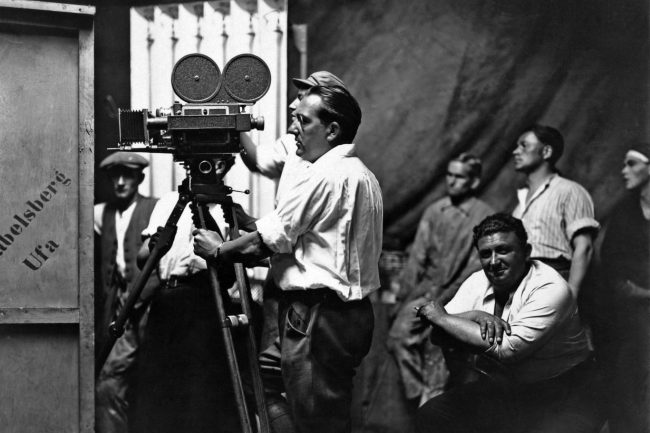
From the silent-era visionaries of the Weimar Republic, who defied economic ruin to invent groundbreaking techniques, to the artists trapped under Nazi rule, forced to choose between exile, propaganda, or resistance—Babelsberg’s filmmakers risked everything for their craft.
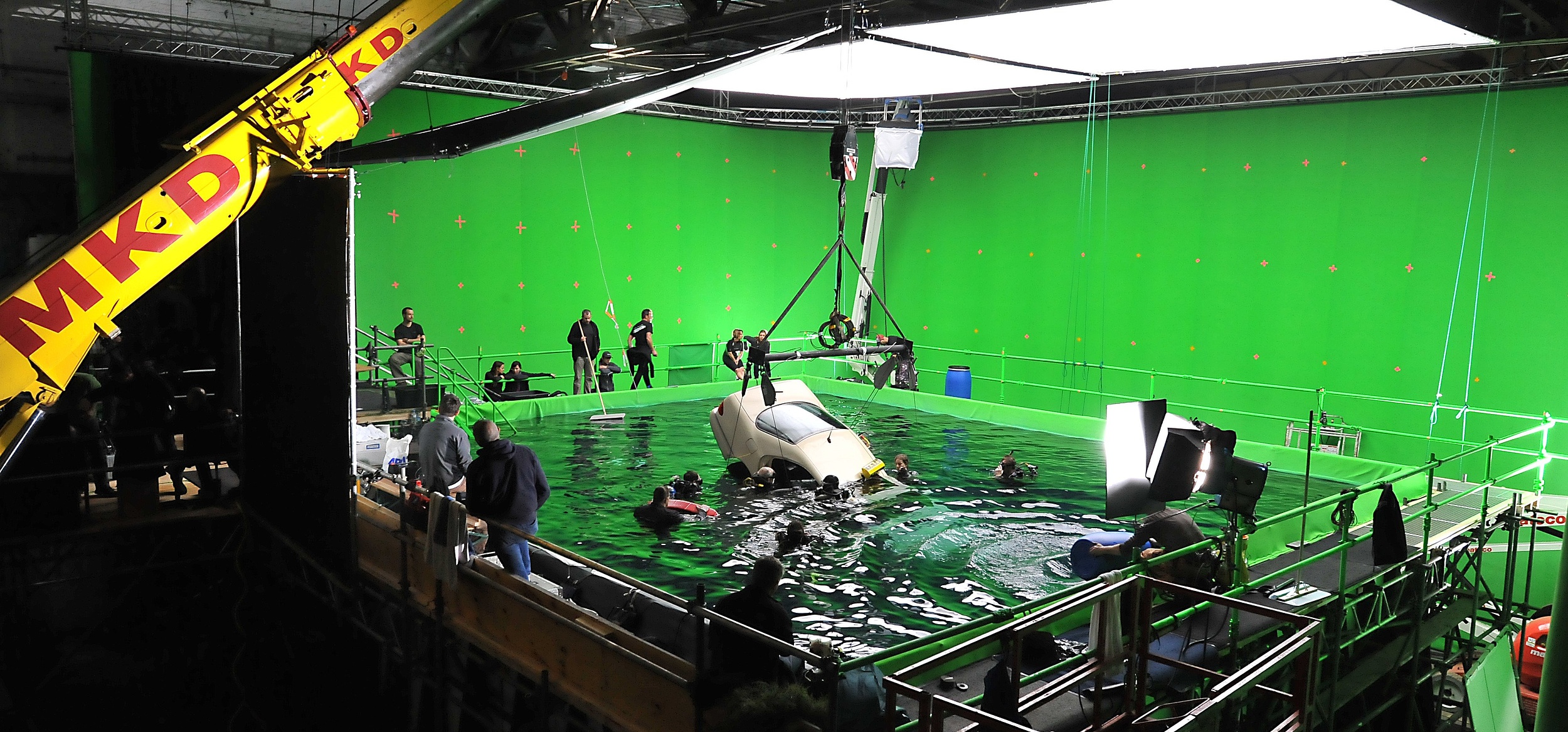
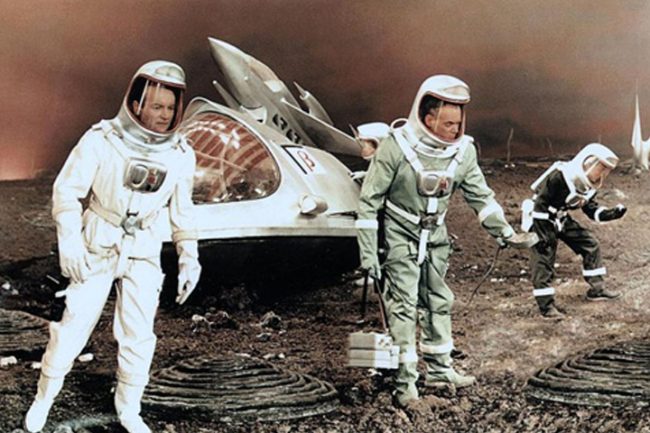
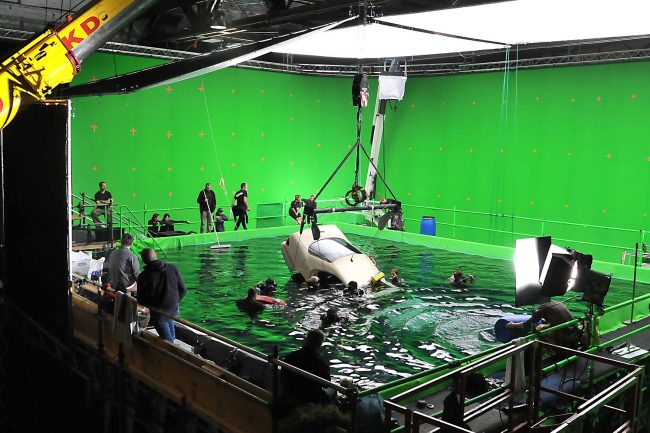
Under East Germany’s communist regime, directors smuggled subversive messages past censors, turning state-sponsored films into weapons of quiet rebellion. And after reunification, a new generation of auteurs resurrected Babelsberg, transforming it into a world-class studio that now competes on the global stage.
Each 45min episode reveals the untold stories and the films of those who shaped cinema from Studio Babelsberg. German legends who became Hollywood legends, like Erich Pommer, Fritz Lang, F.W. Murnau, and Billy Wilder. Featured are also the lives of influential women such as Henny Porten, Marlene Dietrich, Lotte Reiniger, and Leni Riefenstahl. They are all among generations of countless film crews, artists and technicians whose impact was important, yet remain completely unknown to the outside world.
Both a cautionary tale and an inspiring testament to reinvention, this docu-drama reveals the studio’s battle for survival across a century of upheaval. As the industry evolves once again, the question remains: Can this so-called Dream Factory continue shaping the future of film?
Supported by